
The Cost-Effectiveness of GRC in Large-Scale Building Projects
Table of Contents
ToggleIn the evolving world of architecture and construction, cost-effective GRC solutions are rapidly becoming the go-to choice for large-scale building projects. GRC, or Glass Reinforced Concrete, is a composite material that combines cement, fine aggregates, water, and alkali-resistant glass fibers. This unique composition results in a lightweight yet highly durable material, making it ideal for use in complex and high-volume construction work.
When managing large developments such as commercial buildings, institutional complexes, or infrastructure projects, cost efficiency is a top priority. This is where cost-effective GRC solutions prove invaluable—offering both economic and performance-based advantages that traditional concrete materials cannot match.
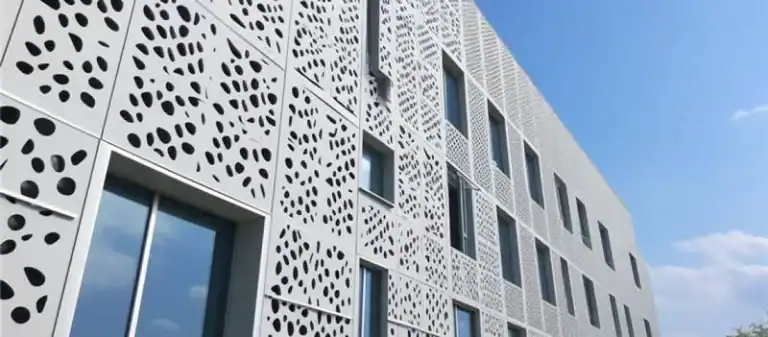
Why GRC is Cost-Effective in Large Projects
In today’s competitive construction industry, keeping project costs under control without compromising on quality is a top priority. That’s why more developers, architects, and contractors are turning to cost-effective GRC solutions for large-scale building projects. GRC, or Glass Reinforced Concrete, has proven to be a high-performance material that delivers long-term value. Its unique composition and practical benefits make it a smart choice for those looking to maximize efficiency while staying within budget.
Lightweight Advantage Saves Money
One of the biggest reasons cost-effective GRC solutions are preferred in large developments is their lightweight nature. GRC panels weigh significantly less than traditional precast concrete. This reduced weight lowers structural load requirements, which in turn minimizes the need for heavy steel reinforcements and deep foundations. As a result, builders can save substantially on materials and labor, especially when working on high-rise or complex architectural structures.
In addition, the lighter weight of GRC panels leads to faster transportation and installation, reducing the overall project timeline. Cranes and lifting equipment can operate more efficiently, and labor teams can handle and position panels with less effort. This time-saving aspect is a major cost advantage in large projects, where delays can be extremely expensive.
Faster Construction = Lower Costs
Time is money in the construction world. Large-scale projects often come with tight deadlines, and any delay can increase costs exponentially. With cost-effective GRC solutions, construction teams can move more quickly thanks to the ease of handling and installation. GRC components are often prefabricated in factories and delivered ready to install, reducing the amount of on-site work.
This prefab approach means fewer workers are needed on-site, which not only reduces labor costs but also minimizes safety risks and site congestion. In large-scale builds where efficiency and safety are critical, this benefit can’t be overstated.
Long-Term Durability Reduces Maintenance
One of the often-overlooked benefits of cost-effective GRC solutions is their long-term durability. GRC is highly resistant to cracking, corrosion, weather, and environmental wear. This makes it ideal for building exteriors and structural elements exposed to harsh conditions.
Because of its durability, GRC requires minimal maintenance over the lifespan of a building. Unlike traditional concrete, it doesn’t deteriorate quickly, which means fewer repairs and lower maintenance budgets. For large commercial or institutional buildings, this adds up to significant savings over time.
Design Flexibility Without Added Costs
Large projects often demand creative architectural designs. GRC provides the flexibility to create custom shapes, textures, and finishes—without increasing costs. Whether it’s intricate façade panels, curved surfaces, or artistic elements, cost-effective GRC solutions can achieve premium looks at a fraction of the price of natural stone or metal cladding.
This flexibility enables developers to meet both aesthetic goals and budget constraints, making GRC the ideal material for high-profile and high-volume projects alike.
Sustainable and Economical
In today’s eco-conscious construction environment, sustainability is a financial advantage. Cost-effective GRC solutions use fewer raw materials and can incorporate recycled content. This helps builders meet green building standards and reduce environmental impact—without additional cost.
Furthermore, GRC’s long life span and recyclability contribute to lower lifecycle costs, which is especially important for projects that are intended to stand the test of time.
Conclusion
The real value of cost-effective GRC solutions lies in the balance they provide between affordability, performance, and design freedom. In large-scale projects, these savings become even more significant. From lower structural demands to faster installation, reduced maintenance, and flexible aesthetics, GRC offers unmatched cost-effectiveness for developers looking to build smarter and more economically.
Long-Term Savings with GRC
When planning large-scale construction projects, it’s easy to focus on upfront costs like materials, labor, and equipment. But one of the most critical aspects of any development is the long-term financial impact. Choosing cost-effective GRC solutions can significantly reduce both short- and long-term expenses, making GRC (Glass Reinforced Concrete) one of the smartest investments in modern construction.
GRC combines cement, fine aggregates, water, and alkali-resistant glass fibers to create a lightweight, durable, and versatile material. While initial costs may be comparable to other options, the true strength of cost-effective GRC solutions lies in the savings they deliver over the entire lifecycle of a building.
Reduced Maintenance Requirements
One of the most compelling reasons to choose cost-effective GRC solutions is their exceptional durability. GRC is highly resistant to cracking, corrosion, and degradation caused by weather and environmental exposure. In contrast to traditional concrete or metal cladding, GRC does not rust, warp, or deteriorate rapidly. As a result, buildings that utilize GRC require far less ongoing maintenance.
In large-scale buildings, maintenance costs add up quickly—especially when access to façades or high structural elements is difficult or labor-intensive. With GRC, the need for regular repairs, repainting, or replacement is drastically minimized. These savings become especially noticeable in the second and third decades of a building’s use, where cost-effective GRC solutions continue to deliver value while other materials may begin to fail.
Extended Product Lifespan
The longevity of cost-effective GRC solutions is another factor in their financial appeal. GRC components can last for decades with minimal wear and tear, even in harsh climates. Unlike materials that degrade due to freeze-thaw cycles, UV exposure, or moisture penetration, GRC maintains its structural integrity over time.
Because of this extended lifespan, builders and developers can avoid costly renovations or replacements down the line. In long-term projects such as schools, government buildings, corporate campuses, and public infrastructure, this translates into significant savings that support sustainable asset management.
Energy Efficiency Benefits
Many modern cost-effective GRC solutions are designed with insulation and energy performance in mind. GRC cladding panels can be manufactured to include insulation layers, helping regulate indoor temperature and reduce the demand on HVAC systems. Over the years, this can significantly lower energy bills, particularly in large buildings with high occupancy.
Additionally, the thermal mass and air-tight qualities of GRC enhance a building’s overall energy performance, making it easier to meet green building standards and qualify for sustainability incentives—yet another way in which cost-effective GRC solutions support long-term savings.
Lower Insurance and Liability Costs
Because of their fire resistance, weather durability, and structural stability, cost-effective GRC solutions can contribute to lower insurance premiums. Insurance companies often evaluate building materials when calculating risk levels, and GRC’s strong performance in fire tests and structural stress evaluations can work in a developer’s financial favor.
In addition, by minimizing risks associated with material failure (such as falling debris or moisture damage), GRC helps reduce liability exposure for property owners, facility managers, and contractors.
Enhanced Property Value Over Time
Buildings constructed with cost-effective GRC solutions tend to retain their visual appeal and structural reliability far longer than those using traditional materials. This leads to higher resale values, greater appeal to tenants, and a stronger reputation for quality and sustainability.
In competitive commercial and residential markets, long-term aesthetics and performance can influence rental rates, resale pricing, and client satisfaction—all contributing to long-term financial gains.
Conclusion
When evaluating construction materials, it’s not enough to look only at initial costs. The real return on investment comes from what happens over time. Cost-effective GRC solutions offer unmatched durability, lower maintenance, energy efficiency, and increased property value—making them a smart, long-term strategy for any large-scale building project. For developers looking to save money now and in the future, GRC is the clear choice.
Design Flexibility Without Extra Costs
In today’s construction industry, balancing creative freedom with cost control is a constant challenge—especially in large-scale building projects. Developers and architects want to achieve unique, eye-catching designs, but budget constraints often limit what’s possible. That’s where cost-effective GRC solutions stand out. Glass Reinforced Concrete (GRC) offers an unmatched combination of aesthetic flexibility and economic efficiency, making it an ideal material for ambitious projects that can’t afford to compromise on style or cost.
Unlike traditional building materials, cost-effective GRC solutions provide the ability to create complex, high-quality designs without the hefty price tag usually associated with custom architecture. Whether it’s replicating the look of natural stone, producing intricate decorative elements, or forming curved surfaces, GRC makes it possible—efficiently and affordably.
Custom Shapes Without Custom Costs
One of the most impressive features of cost-effective GRC solutions is the ability to create custom shapes and profiles with ease. GRC can be molded into virtually any form, thanks to its lightweight, fiber-reinforced composition. This allows designers to explore unique architectural concepts—such as swooping curves, deep reliefs, and irregular textures—without the high fabrication costs tied to traditional materials like stone or metal.
For example, a building façade that would cost a fortune in carved limestone can be replicated with GRC at a fraction of the cost. This approach not only saves money but also reduces installation time and labor, contributing to the overall efficiency of the project.
Mimic High-End Materials on a Budget
Another reason cost-effective GRC solutions are favored by designers is their ability to mimic expensive materials. GRC can be manufactured to resemble granite, sandstone, terracotta, wood, or even metal—offering the luxurious look of premium finishes without the associated costs.
This is particularly valuable in commercial and institutional projects where aesthetics play a key role in branding, public image, or attracting tenants. Instead of compromising the design to fit the budget, developers can use GRC to achieve the same visual impact—without overspending.
Lightweight Yet Detailed
Traditional materials often require compromise between detail and weight. Heavier materials may be structurally difficult to support or more costly to install, especially in high-rise construction. However, cost-effective GRC solutions allow intricate detailing without the burden of weight. GRC panels are significantly lighter than precast concrete, meaning they can be installed on taller structures without requiring massive structural support systems.
This allows for more freedom in cladding design, artistic features, and decorative trims—even in complex urban environments where space and support are limited.
Faster Turnaround, Greater Creative Control
With cost-effective GRC solutions, most elements can be prefabricated off-site under controlled conditions. This not only ensures quality and consistency but also speeds up production. Because GRC molds can be reused, custom designs don’t always require custom costs. Once the formwork is created, multiple identical or mirrored elements can be cast quickly, saving time and money on repeat components.
For large developments, this means that entire architectural themes can be executed efficiently—from symmetrical panels to ornamental patterns—without increasing labor costs or project timelines.
Supporting Innovation in Design
Perhaps most importantly, cost-effective GRC solutions empower innovation. Architects no longer have to sacrifice creativity due to material limitations or budget concerns. GRC supports a wide range of finishes, pigments, textures, and structural geometries—giving design teams the flexibility to push boundaries while staying on schedule and within budget.
Whether it’s a contemporary high-rise with sweeping façades or a historic renovation that requires decorative accuracy, GRC opens the door to possibilities that were once out of financial reach.
Conclusion
In a construction landscape where cost and creativity often clash, cost-effective GRC solutions offer the best of both worlds. Their design flexibility, material efficiency, and aesthetic potential make GRC an essential material for modern architecture. For large-scale projects looking to achieve distinctive designs without financial compromise, GRC is not just an option—it’s the ideal solution.
Environmental and Logistical Benefits of GRC
In modern construction, environmental responsibility and logistical efficiency are more than just buzzwords—they’re essential factors that influence the success and sustainability of large-scale projects. As the industry evolves, architects, contractors, and developers are seeking materials that not only meet aesthetic and structural demands but also reduce environmental impact and simplify on-site logistics. That’s where cost-effective GRC solutions come into play.
Glass Reinforced Concrete (GRC) is gaining popularity for its impressive environmental credentials and its ability to streamline complex construction processes. Whether you’re working on a commercial tower, public facility, or infrastructure project, choosing cost-effective GRC solutions can lead to measurable benefits for both the planet and your bottom line.
Eco-Friendly Manufacturing Process
One of the most compelling reasons to consider cost-effective GRC solutions is their low environmental footprint. Unlike traditional concrete, which often requires large amounts of steel reinforcement and emits significant CO₂ during production, GRC uses alkali-resistant glass fibers instead of steel and consumes less raw material overall.
GRC panels are generally thinner and lighter, meaning less cement is needed per square meter of surface area. Since cement production is a major source of global carbon emissions, reducing the volume used directly contributes to a lower carbon footprint.
In many cases, cost-effective GRC solutions are manufactured using recycled aggregates or industrial byproducts. This not only reduces construction waste but also supports circular economy initiatives, which are increasingly important in green-certified building projects (e.g., LEED, BREEAM, or IGBC).
Energy Efficiency and Insulation Support
Cost-effective GRC solutions also contribute to energy-efficient building design. GRC panels can be designed to integrate insulation layers or act as cladding that enhances thermal performance. When used as part of a ventilated façade system, GRC helps regulate interior temperatures by reducing heat gain in summer and heat loss in winter.
This improved insulation performance leads to lower energy consumption in heating and cooling systems, translating into reduced operating costs over the building’s life cycle. Additionally, these thermal benefits can help projects meet national and international energy codes, adding to their long-term value.
Streamlined Transportation and Handling
On the logistical side, cost-effective GRC solutions offer several practical advantages. Due to their lightweight properties, GRC components are easier to transport, even in large quantities. They can often be stacked efficiently, reducing the number of trucks needed and lowering transportation costs and emissions.
On-site, the benefits continue. GRC panels require less heavy equipment for lifting and placement, and their precision manufacturing ensures a perfect fit—reducing delays, rework, and labor requirements. For large construction sites where efficiency and time are critical, cost-effective GRC solutions offer a real edge.
Faster Installation, Lower Site Impact
Construction sites, particularly in urban areas, face logistical challenges such as limited space, noise restrictions, and tight schedules. Cost-effective GRC solutions support off-site prefabrication, which means most elements arrive ready to install. This minimizes disruption, speeds up installation, and keeps projects on track.
Additionally, prefabricated GRC elements generate less dust, waste, and noise during assembly, which helps meet environmental and safety regulations—especially in high-density or environmentally sensitive zones.
Reduced Waste and Recyclability
Another important environmental benefit of cost-effective GRC solutions is waste reduction. GRC molds are reusable, and the controlled manufacturing process leads to fewer errors and less material loss. Moreover, old GRC components can often be crushed and reused as aggregate in new mixes, making GRC a recyclable and sustainable material choice.
Choosing cost-effective GRC solutions means aligning your project with sustainability goals and preparing for a future where environmental impact is increasingly scrutinized.
Conclusion
The environmental and logistical benefits of cost-effective GRC solutions make them an ideal choice for large-scale construction projects. From lower emissions and energy savings to easier transport, faster installation, and reduced waste, GRC offers a well-rounded approach to modern building challenges. For developers and architects looking to build efficiently and responsibly, GRC isn’t just a smart option—it’s the future of sustainable construction.
In today’s fast-paced construction industry, large-scale projects demand more than just strong materials — they need intelligent solutions that balance cost, performance, and aesthetics. That’s exactly what cost-effective GRC solutions offer. GRC (Glass Reinforced Concrete) is a high-performance material made from cement, fine aggregates, water, and alkali-resistant glass fibers.
Lightweight, durable, and flexible, GRC has proven to be one of the smartest materials for developers, architects, and contractors looking to reduce costs while maintaining quality on a large scale.
1. Reducing Structural Load = Reducing Costs
One of the most direct ways cost-effective GRC solutions save money is by minimizing structural weight. GRC panels are significantly lighter than precast concrete, which reduces the need for heavy structural support systems. In high-rise buildings, stadiums, and commercial complexes, this translates into major savings on foundations, steel reinforcements, and cranes.
Lower weight also means faster, safer, and cheaper installation — fewer workers are required, less equipment is used, and turnaround time is cut dramatically.
2. Faster Timelines, Higher Efficiency
Time is money in construction — and delays are expensive. Cost-effective GRC solutions enable faster project execution through off-site prefabrication. GRC panels and components are typically manufactured in controlled environments, ensuring precision and reducing the likelihood of costly on-site errors.
Once delivered, they’re easy to install, especially compared to heavier and bulkier materials. This streamlined process keeps projects on schedule and allows for better coordination across multiple phases of construction.
3. Longevity that Pays Off
When evaluating materials for long-term use, durability becomes critical. Cost-effective GRC solutions are known for their excellent resistance to weather, UV rays, moisture, and pollution. They don’t rust, rot, or degrade easily — making them perfect for exterior façades, cladding, and decorative features.
Buildings constructed with GRC typically experience fewer repairs, lower maintenance costs, and extended life spans — leading to significant long-term savings. For facility owners and developers, that’s more value over decades, not just during construction.
4. Creative Freedom Without Budget Blowouts
Architecture today is as much about expression as it is about efficiency. GRC enables both. One of the strongest advantages of cost-effective GRC solutions is the ability to achieve complex shapes, curves, textures, and finishes without the high cost of traditional materials like stone, terracotta, or cast metal.
Whether you’re designing modern façades or replicating classical ornamentation, GRC offers unmatched design flexibility. This allows architects to achieve their creative vision — affordably and without compromise.
5. Lightweight, Yet Durable Details
Because GRC can be cast into very thin sections without sacrificing strength, it allows for intricate detailing even in large elements. From window surrounds to cornices and panels, these features enhance visual appeal without adding extra load or cost.
Cost-effective GRC solutions bring the advantage of aesthetics without architectural or engineering headaches — especially when working on large, repetitive elements across big projects.
6. Supporting Green Construction Goals
In a world increasingly focused on sustainability, cost-effective GRC solutions offer a greener alternative to conventional materials. GRC uses less cement, fewer natural resources, and produces lower emissions during manufacturing — all contributing to a lower carbon footprint.
Additionally, GRC panels can include recycled materials and are recyclable themselves, making them ideal for green-certified projects. They also help improve thermal performance when used in energy-efficient cladding systems.
7. Logistics That Make Sense
Handling and transporting heavy materials in urban areas or restricted job sites can cause delays and safety risks. GRC’s light weight and prefabricated nature simplify logistics significantly. Cost-effective GRC solutions can be transported in large quantities with fewer trucks, stored easily on-site, and installed with minimal machinery.
This is a major benefit in cities or sites with space, noise, or timing constraints — and it helps keep total project costs under control.
8. Lower Waste and Higher Quality Control
In traditional on-site construction, material waste and rework are common problems. GRC, however, is primarily manufactured off-site in a controlled environment. This results in:
Higher quality finishes
Consistent dimensions
Minimal material waste
The reusable mold system used in cost-effective GRC solutions also reduces long-term production costs for repeating elements — a huge plus in large-scale developments with hundreds or thousands of panels or features.
9. Boosting Property Value Over Time
Developers aren’t just looking to save money — they’re also investing in long-term value. Buildings using cost-effective GRC solutions tend to retain their aesthetic and structural quality over the years, increasing their resale and leasing potential.
From commercial complexes and hotels to public institutions, using GRC supports high ROI, reputation for quality, and appeal to sustainability-conscious clients.
Final Thoughts: Building for the Future, Affordably
GRC is no longer a niche product—it’s a proven construction material that supports smart, large-scale development. From reducing structural load and installation time to enhancing design and sustainability, cost-effective GRC solutions are helping construction professionals build better, faster, and more affordably.
If you’re planning a large-scale project and want a material that delivers on every level — performance, design, sustainability, and budget — then GRC is the intelligent choice. At GFRC Innovations, we specialize in delivering tailored GRC systems that meet your project’s technical and creative goals.