
What is the difference between GRC and GFRC?
Table of Contents
ToggleWhat is GRC?
When exploring the difference between GRC and GFRC, it’s important to first understand what GRC is. GRC stands for Glass Reinforced Concrete. It is a type of composite material made of a mixture of cement, fine aggregates, water, chemical admixtures, and alkali-resistant glass fibers. These glass fibers give the material added strength and flexibility, making it ideal for architectural and decorative applications.
GRC was first developed in the 1940s and has since become widely used in the construction industry. The main component that sets GRC apart from traditional concrete is the inclusion of glass fibers, which enhance its tensile strength and impact resistance. The difference between GRC and GFRC lies largely in their naming conventions and regional preferences, though they both refer to similar materials. However, understanding GRC on its own helps clarify why it’s such a popular building material.
Composition and Manufacturing of GRC
GRC is typically made using two production methods: spray-up and premix. In the spray-up method, the glass fibers and concrete mix are sprayed simultaneously onto a mold. In the premix method, the fibers are mixed directly into the concrete before being poured into molds. Both techniques produce strong, lightweight panels suitable for a wide range of applications. Understanding these methods is key when looking at the difference between GRC and GFRC, as GFRC often uses similar processes but may differ slightly in fiber type or mix design depending on the manufacturer or region.
Benefits of Using GRC
One of the primary reasons builders and architects prefer GRC is its lightweight nature. Compared to traditional precast concrete, GRC is significantly lighter, which makes it easier to handle, reduces structural load, and lowers transportation costs. When examining the difference between GRC and GFRC, both materials share this advantage.
GRC is also highly durable. Thanks to the reinforcement provided by glass fibers, it resists cracking and can withstand environmental stressors such as wind, rain, and freeze-thaw cycles. This makes GRC ideal for outdoor cladding, decorative elements, and even urban furniture.
Another notable benefit is GRC’s design flexibility. It can be molded into complex shapes and detailed textures that traditional concrete cannot achieve. When considering the difference between GRC and GFRC, this design versatility is a common trait that makes both materials attractive for architects aiming for intricate facades and artistic finishes.
Applications of GRC
GRC is widely used in architectural projects, including cladding panels, window surrounds, cornices, columns, domes, and more. Its ability to mimic natural stone, wood, and other textures makes it an appealing choice for both modern and classical designs.
In landscaping and public spaces, GRC is also used to create planters, benches, sculptures, and fountains. These applications highlight its aesthetic value as well as its resilience.
Understanding these uses contributes to grasping the practical difference between GRC and GFRC. While both are used in similar applications, subtle differences in composition or regional standards may lead to one being chosen over the other in certain projects.
Conclusion
In summary, GRC (Glass Reinforced Concrete) is a high-performance, fiber-reinforced material widely used in construction and design. It offers a combination of strength, durability, and design flexibility, making it ideal for a range of architectural and artistic applications. As you explore the difference between GRC and GFRC, it becomes clear that while the terms are sometimes used interchangeably, a deeper understanding of GRC’s unique properties can help guide better material choices for your next project.
What is GFRC?
To understand the difference between GRC and GFRC, we need to take a closer look at what GFRC is and why it has gained so much popularity in modern construction. GFRC stands for Glass Fiber Reinforced Concrete, and it is a high-strength, lightweight building material made by blending cement, sand, water, polymer additives, and alkali-resistant glass fibers. Much like GRC, the presence of these glass fibers significantly enhances the material’s performance, particularly in terms of flexibility, tensile strength, and durability.
One of the key points in the difference between GRC and GFRC lies in how GFRC is typically used and modified in various applications. While both materials share many similarities, GFRC often incorporates polymer-modified mixes, giving it enhanced bonding and surface qualities. This makes GFRC especially suitable for thin, strong concrete elements with detailed designs.
Composition and Manufacturing of GFRC
GFRC is manufactured using two primary methods: the spray-up method and the premix method. In the spray-up process, a special spray gun simultaneously applies the concrete mix and chopped glass fibers onto molds, forming strong and flexible layers. The premix method, on the other hand, involves mixing fibers directly into the concrete before it’s poured.
When discussing the difference between GRC and GFRC, one notable distinction is that GFRC more often uses polymer additives in the mix to improve workability and crack resistance. These polymers help enhance the adhesion between the fibers and the cement matrix, resulting in a more durable finished product.
Benefits of GFRC
GFRC offers a wide range of benefits, especially when compared to traditional concrete. One of its biggest advantages is its high strength-to-weight ratio. It is significantly lighter than standard precast concrete, which allows for easier transportation, faster installation, and reduced structural load.
Another major benefit is flexibility in design. GFRC can be cast into virtually any shape or form, allowing architects and designers to create intricate, custom elements such as curved panels, ornamental façades, and complex textures. This high level of detail is one area where the difference between GRC and GFRC is sometimes discussed, as GFRC’s enhanced flexibility often allows for thinner and more elaborate components.
GFRC is also resistant to weathering, UV rays, and corrosion. Its durability makes it an excellent choice for exterior applications, where performance over time is essential. Again, the difference between GRC and GFRC in these aspects is minimal, but GFRC may perform slightly better in environments requiring extra resilience due to its polymer modification.
Applications of GFRC
GFRC is used in a variety of architectural and construction applications, including:
Exterior wall panels
Decorative façades
Column covers
Architectural moldings
Public art installations
Street furniture (benches, planters, etc.)
In all these cases, the difference between GRC and GFRC may influence the decision based on specific performance needs, installation requirements, or regional standards.
Conclusion
GFRC (Glass Fiber Reinforced Concrete) is a versatile, lightweight, and durable construction material with advanced performance qualities. Its ability to be molded into complex shapes and its enhanced durability make it ideal for both functional and decorative applications. While GFRC and GRC share many traits, understanding the difference between GRC and GFRC is essential for selecting the right material for your construction or design project. Whether you’re creating a modern façade or a classical molding, knowing how each material performs can help ensure both aesthetic and structural success.
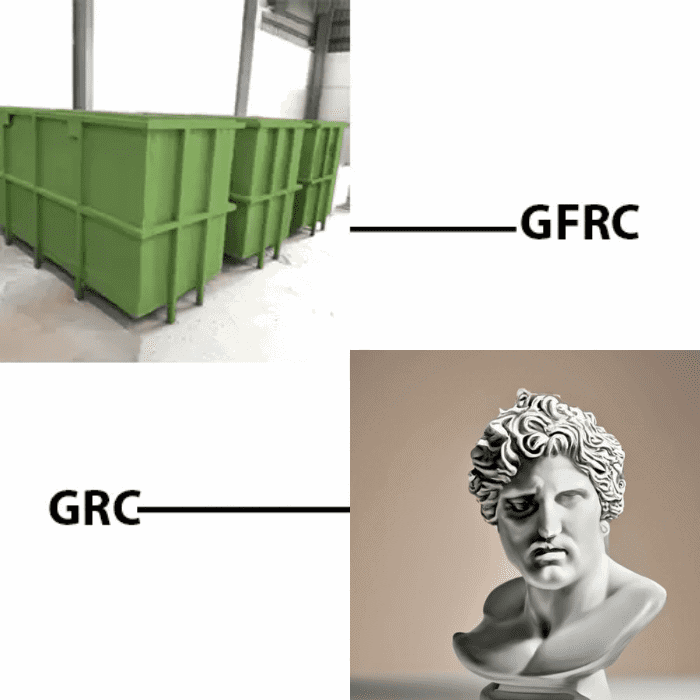
Difference Between GRC and GFRC – Comparison Table
| Feature | GRC (Glass Reinforced Concrete) | GFRC (Glass Fiber Reinforced Concrete) |
|---|---|---|
| Full Form | Glass Reinforced Concrete | Glass Fiber Reinforced Concrete |
| Main Reinforcement | Alkali-resistant glass strands/fibers | Alkali-resistant glass fibers |
| Use of Polymer Additives | Not always included | Often includes polymer additives for bonding |
| Weight | Lightweight compared to traditional concrete | Often lighter than GRC due to thinner sections |
| Strength | High strength | Higher tensile and flexural strength |
| Flexibility in Design | Good design flexibility | Excellent for complex, thin, and curved designs |
| Durability | High | Very high (especially with polymers) |
| Common Manufacturing Method | Spray-up or premix | Spray-up or premix with polymers |
| Surface Finish | Smooth and decorative | Can achieve finer, more intricate finishes |
| Common Applications | Architectural cladding, moldings, columns | High-end facades, decorative panels, public art |
| Regional Use | More common term in Europe, Asia | More used in the U.S. and North America |
| Typical Thickness | Thicker than GFRC | Allows thinner and more flexible sections |
| Cost | Generally lower | May be slightly higher due to polymers |
Difference Between GRC and GFRC
Understanding the difference between GRC and GFRC is essential for architects, designers, and construction professionals who work with fiber-reinforced concrete. While GRC (Glass Reinforced Concrete) and GFRC (Glass Fiber Reinforced Concrete) may seem interchangeable, they have subtle but important differences that can affect material selection, design outcomes, and long-term performance.
The primary difference between GRC and GFRC lies in their composition and additives. GRC is made from a mix of cement, fine aggregates, water, and alkali-resistant glass fibers. GFRC, while similar, often includes polymer additives that enhance bonding, durability, and flexibility. This addition of polymers is a significant difference between GRC and GFRC, making GFRC more adaptable for thin and complex designs.
Another noticeable difference between GRC and GFRC is in weight and thickness. GFRC can be cast into thinner sections without compromising strength, thanks to its enhanced fiber and polymer composition. This means GFRC panels are often lighter than GRC, which can reduce structural load and transportation costs. If your project involves intricate shapes or needs to reduce building weight, this difference between GRC and GFRC becomes a deciding factor.
In terms of strength and flexibility, GFRC typically has the upper hand. The difference between GRC and GFRC is clear when looking at flexural and tensile strength. GFRC, with its polymer-enhanced matrix, offers better resistance to cracking and stress. GRC is still very strong, but GFRC’s additional components give it a performance edge in high-demand environments.
The surface finish is another area where the difference between GRC and GFRC becomes evident. GFRC can produce finer textures and more detailed surface finishes than standard GRC. This is especially beneficial for decorative panels, sculptures, and modern architectural elements where precision is important. GRC also allows for decorative work but may require slightly thicker sections to achieve the same level of detail.
Another difference between GRC and GFRC is in application and region. The term GRC is more commonly used in Europe, the Middle East, and Asia, while GFRC is widely used in the United States and North America. Although both materials are nearly identical in base function, this naming convention and regional usage highlight a linguistic difference between GRC and GFRC.
When it comes to cost, GRC is typically more cost-effective due to the absence of polymers. However, this cost benefit comes with a trade-off in flexibility and surface quality. GFRC, while sometimes slightly more expensive, offers better performance and longevity, making it a valuable investment for high-end or complex projects.
In summary, the difference between GRC and GFRC includes variations in material composition, strength, weight, flexibility, finish quality, and regional usage. While both are durable and versatile, GFRC often provides enhanced performance due to the use of polymer additives and finer fiber distribution.
Final Thoughts
Knowing the difference between GRC and GFRC empowers you to make smarter choices in your construction or design projects. Whether you’re working on architectural cladding, decorative elements, or public art, selecting the right material based on its strengths can ensure both aesthetic appeal and structural reliability.
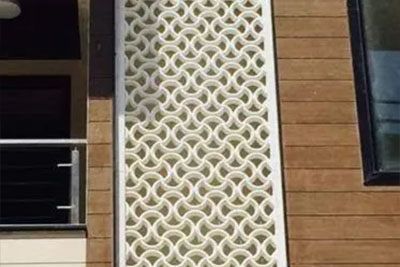
Why GRC: The Future of Sustainable Architecture and Design
In an era where sustainability is no longer a luxury but a necessity, architects and designers are continually searching for innovative materials that balance durabilit….
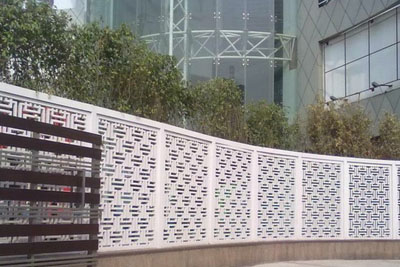
Eco-Friendly and Elegant: GRC Jali Solutions for a Greener Tomorrow
In the pursuit of sustainable and eco-friendly architecture, every detail counts—no matter how small or decorative. One such detail that combines functionality, aesthetic value, and environmental…
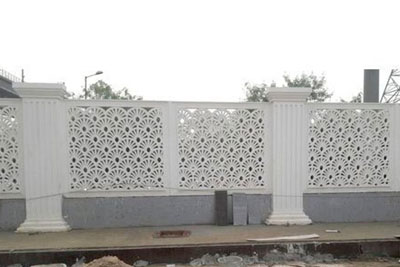
Why Architects are Turning to GRC Jali for Contemporary Designs
In the pursuit of sustainable and eco-friendly architecture, every detail counts—no matter how small or decorative. One such detail that combines functionality, visual appeal, and environmental….