
Table of Contents
ToggleGRC Manufacturing Process: 7 Key Steps for Perfect Results
The GRC manufacturing process is a cornerstone of modern architectural innovation, allowing designers, engineers, and builders to bring intricate and durable creations to life. GRC, or Glass Reinforced Concrete, blends the structural robustness of concrete with the flexibility and strength of alkali-resistant glass fibers. This unique combination offers a lightweight yet resilient material capable of shaping complex forms, ensuring longevity, and withstanding environmental stressors.
At GFRC Innovation, we specialize in delivering excellence in every piece we produce. Whether it’s custom GRC jalis, decorative cladding, or structural panels, our expertise in the GRC manufacturing process guarantees exceptional results. In this comprehensive guide, we walk you through each crucial stage of the process, offering insights into best practices and the importance of quality control. Let’s dive into the seven foundational steps that define the GRC manufacturing process and understand how this remarkable material transforms ideas into reality.
1. Preparing the GRC Mix – The First Critical Phase
The foundation of the GRC manufacturing process starts with developing the perfect mix. This phase determines the strength, finish, and durability of the final product. The standard mix includes the following ingredients:
White or grey Portland cement
Fine silica sand (graded and sieved)
Clean potable water
Acrylic-based polymer admixtures
Alkali-resistant (AR) chopped glass fibers
The mix is prepared by first dry-blending the cement and sand. Water and polymer are then introduced to achieve the desired consistency and flexibility. Once the slurry is smooth, AR glass fibers are either incorporated directly (in the premix method) or applied during spraying (in the spray-up method). This integration of materials forms the backbone of the GRC manufacturing process, offering enhanced tensile strength and flexibility.
The correct ratio and order of mixing are critical. A mistake at this stage can compromise the structural integrity and aesthetic quality of the finished product. Therefore, continuous monitoring during this step is essential for a successful GRC manufacturing process.
2. Raw Material Testing and Quality Control
High-quality input leads to high-quality output—this is especially true for the GRC manufacturing process. Before moving to the next stage, rigorous testing of raw materials is performed. This includes:
Verifying the moisture content of sand
Testing the bonding strength of polymers
Inspecting the fiber integrity
Assessing compressive and flexural strength
We also test the workability of the mix, ensuring smooth flow and proper fiber dispersion. This stage in the GRC manufacturing process guarantees that each element of the mix meets performance criteria before casting begins.
Without proper quality control, issues like cracking, delamination, and inconsistent thickness can arise. That’s why at GFRC Innovation, we adhere strictly to ISO-compliant practices throughout the GRC manufacturing process.
3. Mold Design and Preparation
The artistry of the GRC manufacturing process comes to life during the mold phase. Molds dictate the final form and surface finish of the GRC element. Whether it’s a complex architectural jali or a large decorative panel, molds must be:
Cleaned thoroughly to avoid contamination
Coated with release agents for smooth demolding
Aligned and sealed for dimensional precision
Materials like fiberglass, rubber, silicone, and even wood are used based on the design complexity and production volume. This step of the GRC manufacturing process demands attention to detail because even a minor imperfection in the mold can affect hundreds of casts.
Innovative mold-making techniques, such as 3D-printed patterns or CNC-machined templates, are now being integrated into the GRC manufacturing process, ensuring consistency and efficiency.
4. Application Techniques: Premix and Spray-Up
At the core of the GRC manufacturing process is the application method. GRC can be produced using two primary techniques:
a. Premix Method
In this method, AR glass fibers are mixed into the slurry, and the mixture is poured or hand-packed into the molds. It is ideal for smaller, less complex components that do not require high structural strength.
b. Spray-Up Method
This involves using a dual spray gun to simultaneously apply cement slurry and chopped glass fibers to the mold surface in fine layers. This method is favored for larger panels, domes, or intricately designed pieces.
Each method has its place in the GRC manufacturing process, depending on project scale, design, and structural needs. At GFRC Innovation, we tailor our approach to meet the unique specifications of every client.
5. Compaction and Laminating
Once applied, the GRC mix needs to be compacted thoroughly. This is a pivotal step in the GRC manufacturing process, as it eliminates air pockets and ensures uniformity. Tools used during this phase include:
Metal rollers
Trowels
Brushes
Multiple layers can be laminated with reinforcing meshes to increase thickness and strength. Laminating is especially critical for architectural applications where both aesthetics and load-bearing performance are essential.
Without proper compaction, the product may develop voids, leading to premature failure. Thus, meticulous handling during this part of the GRC manufacturing process contributes to the final product’s long-term durability.
6. Curing – Locking in Strength and Stability
The curing stage is what transforms the freshly cast mix into a high-performance product. Curing allows cement hydration to complete, boosting strength and reducing internal stress. Various curing methods are applied in the GRC manufacturing process, including:
Wet hessian or burlap wrapping
Plastic sheeting to retain internal moisture
Controlled environment steam curing
The curing period ranges from 7 to 14 days depending on the component size and complexity. This step of the GRC manufacturing process directly influences surface finish, crack resistance, and long-term durability.
Failure to cure properly can result in reduced strength and increased porosity. At GFRC Innovation, we maintain dedicated curing chambers to control humidity and temperature during this crucial step of the GRC manufacturing process.
7. Demolding, Finishing, and Inspection
The final leg of the GRC manufacturing process involves removing the cured product from its mold and finishing it to perfection. Careful demolding ensures no chips or cracks occur. After that, several finishing techniques are applied:
Mechanical sanding and polishing
Textured coatings or pigments
Waterproofing and anti-fungal sealants
Once the finish is complete, every product undergoes rigorous inspection. Our quality assurance team checks for:
Surface consistency
Color uniformity
Structural integrity
Dimensional accuracy
Only when a product passes all quality checks is it approved for delivery. This final phase of the GRC manufacturing process guarantees that every client receives a world-class product ready for installation.

Why the GRC Manufacturing Process Matters
The GRC manufacturing process is more than a series of technical steps. It is a philosophy of excellence, precision, and continuous improvement. A well-executed process leads to:
Stronger, more durable components
Better design accuracy
Lower maintenance over time
Reduced waste and environmental impact
By investing in every stage of the GRC manufacturing process, GFRC Innovation ensures that customers receive the best possible value and performance.
Applications of GRC Across Industries
Thanks to its flexibility, the GRC manufacturing process supports a wide range of applications, including:
Residential projects: Jali screens, partitions, and facade designs
Commercial spaces: Column wraps, signage, cladding
Institutional buildings: Cornices, domes, cultural motifs
Heritage restorations: Custom moldings and replicas
Landscape architecture: GRC planters, benches, and gazebos
Every application benefits from the tailored precision that only a refined GRC manufacturing process can deliver.
Sustainability and the GRC Manufacturing Process
Sustainability is becoming central to the construction industry, and the GRC manufacturing process plays a positive role. GRC products:
Use fewer raw materials compared to precast concrete
Are recyclable and low-maintenance
Support thermal insulation and energy efficiency
The lightweight nature of GRC also reduces transportation energy and load on building structures, making it an eco-friendly alternative. By refining our GRC manufacturing process, we actively contribute to greener construction practices.
Conclusion: The Power of Process
The GRC manufacturing process is not just a production routine—it’s the foundation of architectural innovation. Every panel, jali, or cladding piece that leaves our facility represents the meticulous care, skill, and technology behind the process. At GFRC Innovation, we are committed to mastering each phase—from mixing and molding to curing and finishing—so that you receive superior products that stand the test of time.
By choosing a manufacturer with a proven GRC manufacturing process, you invest in performance, longevity, and unmatched design flexibility. Whether you’re an architect, developer, or contractor, understanding the GRC manufacturing process gives you a clear edge in selecting the right solutions for your projects.
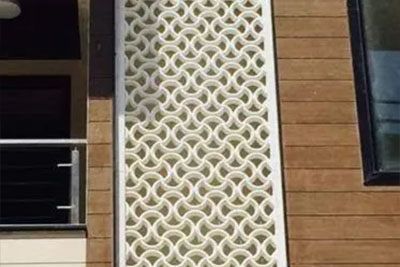
Why GRC: The Future of Sustainable Architecture and Design
In an era where sustainability is no longer a luxury but a necessity, architects and designers are continually searching for innovative materials that balance durabilit….
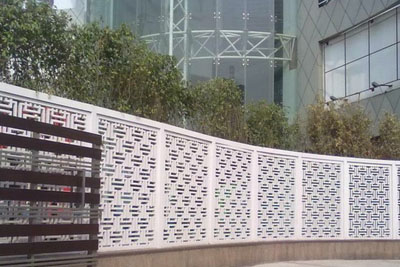
Eco-Friendly and Elegant: GRC Jali Solutions for a Greener Tomorrow
In the pursuit of sustainable and eco-friendly architecture, every detail counts—no matter how small or decorative. One such detail that combines functionality, aesthetic value, and environmental…
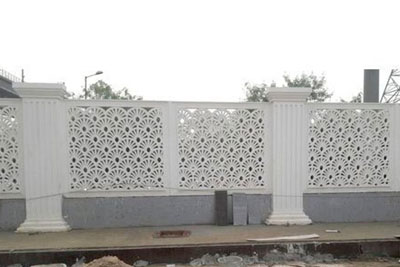
Why Architects are Turning to GRC Jali for Contemporary Designs
In the pursuit of sustainable and eco-friendly architecture, every detail counts—no matter how small or decorative. One such detail that combines functionality, visual appeal, and environmental….