
Lightweight Yet Strong: The Engineering Behind GRC Products
In the evolving world of construction materials, the need for lightweight yet high-strength components has never been greater. One solution leading this innovation is GRC product engineering. GRC, or Glass Reinforced Concrete, offers an unmatched blend of lightness, structural integrity, and design versatility that traditional materials often lack. What makes GRC product engineering so revolutionary is its ability to deliver high performance without compromising weight or aesthetics.
By combining cement, fine aggregates, water, and alkali-resistant glass fibers, engineers are able to create highly customizable and durable components ideal for modern architectural needs. From facade panels to decorative features, GRC product engineering ensures reliability, longevity, and beauty—all in a single solution. In this blog, we’ll explore the advanced methods and materials behind the success of GRC product engineering, and why it’s transforming how buildings are designed and constructed today.
What Makes GRC Products Structurally Unique?
When it comes to modern construction, innovation lies not just in design—but in materials. Among the most promising innovations today is GRC product engineering, which combines lightweight design with exceptional structural strength. But what makes GRC (Glass Reinforced Concrete) products so structurally unique?
Advanced Composite Composition
At the heart of GRC product engineering is a well-balanced composite of cement, fine aggregates, water, and alkali-resistant glass fibers. These glass fibers are what set GRC apart from conventional concrete. Instead of using steel reinforcement—which can corrode and add weight—GRC relies on non-metallic glass fibers. This allows engineers to design thinner, lighter panels without compromising tensile strength or durability.
Lightweight Design, Heavy-Duty Strength
The brilliance of GRC product engineering is in its ability to deliver high strength in a lightweight form. Traditional concrete can be bulky and difficult to mold into detailed architectural features. GRC, on the other hand, is easily molded and significantly lighter, reducing the load on structural frames and foundations. This reduction in weight leads to easier transportation, faster installation, and lower overall construction costs.
High Flexibility in Design
Thanks to the versatility of GRC product engineering, architects and designers have far more freedom in their creations. From complex geometric shapes to ultra-thin facade cladding, GRC enables the production of components that would be difficult or impossible to achieve using traditional concrete. Its formability makes it ideal for artistic, decorative, and intricate architectural elements, all while maintaining its load-bearing capabilities.
Resistance to Cracks and Environmental Damage
Another structural advantage of GRC product engineering lies in its resistance to cracking, weathering, and thermal fluctuations. The embedded glass fibers distribute stress across the surface, preventing cracks from forming under tension. GRC is also resistant to UV radiation, moisture, salt air, and chemicals—making it perfect for both interior and exterior use, even in coastal or harsh climates.
Longevity with Minimal Maintenance
GRC products are engineered to last. The combination of durability and low maintenance is one of the primary reasons why GRC product engineering is favored for long-term architectural solutions. Unlike traditional concrete, GRC panels do not require extensive coatings or treatments, and they age gracefully with minimal degradation over time.
Sustainability Benefits
In today’s environmentally conscious construction world, GRC product engineering also stands out for its sustainability. The manufacturing process typically consumes less energy and fewer raw materials than steel-reinforced concrete. Plus, the lightweight nature of GRC reduces transportation emissions and construction-site waste. As more developers aim for LEED certifications and green building practices, GRC becomes a go-to solution that supports those goals.
Applications Backed by Engineering Excellence
From building facades, window surrounds, and column covers to decorative screens and signage, GRC product engineering is used across various sectors including commercial, institutional, residential, and infrastructure projects. Its performance under structural stress and flexibility in design make it an ideal choice for both functional and aesthetic architectural features.
Conclusion
The structural uniqueness of GRC lies in its engineered composition and versatile performance. GRC product engineering bridges the gap between strength and style, making it a top-tier material for modern construction. As construction trends continue to shift toward efficiency, durability, and sustainability, GRC is no longer just an alternative—it’s becoming the standard.

The Core Materials Behind GRC Product Engineering
GRC product engineering is revolutionizing modern construction by offering a material that is strong, lightweight, and highly versatile. At the heart of this innovation lies a carefully engineered blend of materials—each selected for its specific properties and contributions to performance. Understanding the core materials used in GRC (Glass Reinforced Concrete) is essential to appreciate why it’s becoming the preferred choice in architectural and structural applications.
Cement: The Binding Foundation
Cement is the primary binder in GRC product engineering, just as in traditional concrete. It serves as the glue that holds all the other components together. However, GRC uses a lower water-to-cement ratio and often incorporates additives that enhance bonding, flexibility, and curing. The high-quality cement used in GRC formulations ensures a durable, crack-resistant base for the final product.
Fine Aggregates: Enhanced Workability
Instead of using coarse aggregates like in standard concrete, GRC product engineering relies on fine aggregates such as silica sand. These fine particles allow for smoother finishes, better moldability, and enhanced detailing. The small size and quality of the aggregates also help reduce voids in the mix, contributing to the overall density and strength of the GRC product.
Alkali-Resistant Glass Fibers: The True Game Changer
The defining element in GRC product engineering is alkali-resistant (AR) glass fibers. Unlike traditional steel reinforcement, these glass fibers are non-corrosive and lightweight, yet they provide exceptional tensile strength and ductility. They are mixed directly into the concrete matrix, forming a three-dimensional network that reinforces the material against cracks, shrinkage, and environmental stress.
These fibers are specially treated to resist the high alkalinity of cement-based materials, which ensures long-term durability. In fact, AR glass fibers allow GRC products to maintain their structural integrity and flexibility, even when exposed to harsh weather, salt air, or chemical environments.
Water: Carefully Controlled for Optimal Mix
Water is a crucial part of the GRC mix, but in GRC product engineering, it’s used very precisely. Too much water weakens the structure, while too little affects workability. The exact ratio is carefully calculated to achieve a mix that is both easy to cast and structurally strong once cured. Water also activates the cement’s binding properties, initiating the chemical process of hydration that hardens the mix.
Polymer Additives: Boosting Flexibility and Durability
Modern GRC product engineering often includes polymer additives to enhance the workability and mechanical properties of the mix. These polymers improve adhesion between the cement matrix and the glass fibers, reduce water permeability, and increase flexibility. This is especially important in applications where thermal expansion or structural movement could lead to cracking in conventional materials.
Admixtures: Tailoring Performance
A variety of chemical admixtures are also used in GRC product engineering to control setting time, improve flow, reduce shrinkage, and enhance curing. These additives are selected based on the specific requirements of the project—whether it’s for cladding panels, architectural screens, or structural elements. By adjusting the admixture content, manufacturers can create GRC formulations with targeted performance characteristics.
Eco-Friendly Alternatives and Innovations
With sustainability becoming a priority in the construction industry, GRC product engineering is also evolving. Some manufacturers are incorporating recycled materials or developing eco-friendly binders to reduce the environmental impact. Additionally, innovations in fiber technology and polymer chemistry are pushing GRC capabilities further, making it suitable for a wider range of applications.
Conclusion
The strength, durability, and versatility of GRC are rooted in its material composition. Every component in GRC product engineering plays a critical role—from the fine aggregates and cement to the revolutionary glass fibers and polymers. Together, they form a high-performance composite that’s transforming the construction landscape. As the demand for sustainable, cost-effective, and aesthetic building materials grows, the core materials behind GRC will continue to define the future of architectural design.

Composite Engineering: Balancing Strength and Weight
One of the most fundamental principles in GRC product engineering is composite material design. GRC is made by combining a cement-based matrix with alkali-resistant glass fibers. The cement provides compressive strength, while the glass fibers add tensile strength and crack resistance. This results in a balanced composite that is both strong and lightweight—an essential combination in modern construction where load reduction is key.
The engineering here focuses on material synergy. Rather than relying solely on one material’s properties, GRC product engineering merges the best characteristics of both to create a solution that outperforms conventional concrete in many scenarios.
Thin Shell Technology
Another core principle in GRC product engineering is the use of thin shell structures. Because GRC is fiber-reinforced, it doesn’t require the bulk or heavy steel rebar of traditional concrete to maintain integrity. This enables manufacturers to design extremely thin, curved, or complex panels that are still structurally sound.
Thin shell engineering allows GRC products to be much lighter, easier to install, and more cost-effective. These thinner sections also reduce material usage without compromising on performance, which aligns with both economic and environmental goals in modern construction.
Load Distribution and Crack Resistance
Unlike traditional reinforced concrete, where reinforcement is placed in specific zones, GRC product engineering distributes reinforcement (glass fibers) throughout the entire matrix. This evenly spread reinforcement improves load distribution across the material, preventing stress concentrations and reducing the likelihood of cracking.
The engineering approach here focuses on durability and long-term performance. GRC’s inherent flexibility and fiber matrix absorb impact, vibration, and thermal movement—qualities that extend its lifespan and make it suitable for diverse environmental conditions.
Customization Through Spray or Premix Techniques
A critical engineering advancement in GRC product engineering is the ability to use different manufacturing methods—spray-up or premix—depending on the project needs. In spray-up, the matrix and fibers are applied simultaneously, allowing for high fiber content and strong mechanical performance. In premix, the fibers are blended into the concrete before being cast, making it easier to mold intricate shapes.
These flexible processes give engineers and architects more design freedom without compromising the quality or strength of the finished product.
Durability Under Environmental Stress
Another essential principle in GRC product engineering is its resistance to harsh environmental conditions. Because GRC contains no steel, it is immune to rust and corrosion. The engineered fibers also provide strong resistance to freeze-thaw cycles, salt air, UV exposure, and chemical attack.
This environmental resilience is achieved not by accident but by applying structural engineering models that account for expansion, contraction, and fatigue. As a result, GRC maintains its appearance and function even in the most demanding climates.
Optimized for Modular and Prefab Construction
Modern GRC product engineering also supports modular construction methods. Engineers design GRC panels to be uniform, lightweight, and easy to transport. This makes GRC ideal for prefabrication and fast-track projects where speed and quality cannot be compromised.
Conclusion
GRC product engineering is built on sound and sophisticated engineering principles—from composite material science and thin shell structures to smart manufacturing methods and environmental resilience. These principles allow GRC to meet the complex demands of modern construction—making it not just a material, but a strategic building solution. As innovation in building design continues, GRC stands as a model of engineering excellence, offering beauty, strength, and sustainability in one powerful package.
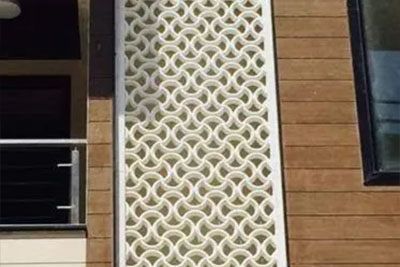
Why GRC: The Future of Sustainable Architecture and Design
In an era where sustainability is no longer a luxury but a necessity, architects and designers are continually searching for innovative materials that balance durabilit….
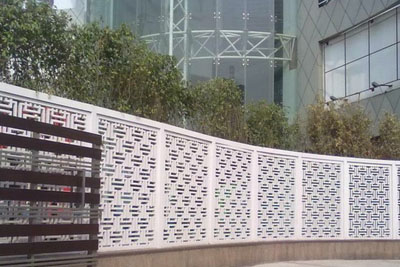
Eco-Friendly and Elegant: GRC Jali Solutions for a Greener Tomorrow
In the pursuit of sustainable and eco-friendly architecture, every detail counts—no matter how small or decorative. One such detail that combines functionality, aesthetic value, and environmental…
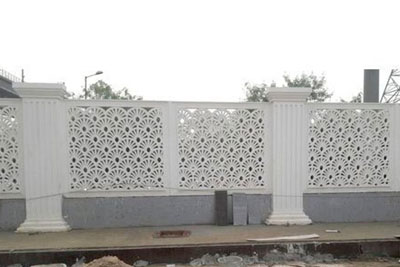
Why Architects are Turning to GRC Jali for Contemporary Designs
In the pursuit of sustainable and eco-friendly architecture, every detail counts—no matter how small or decorative. One such detail that combines functionality, visual appeal, and environmental….